
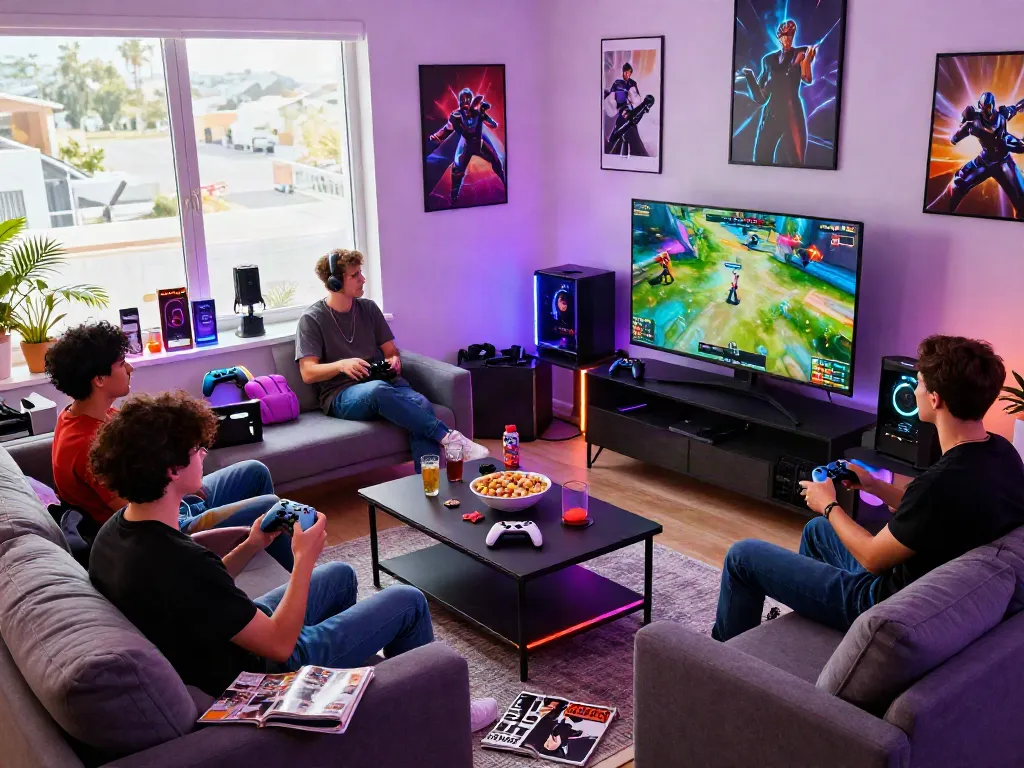
Understanding the Gaming Landscape in 2026
The gaming industry in 2026 presents a dynamic tapestry woven from technological advances, shifting consumer preferences, and a burgeoning global audience. From immersive reality environments to the rise of mobile gaming, the landscape is not just evolving; it is being revolutionized. Key players are rethinking strategies, and those who adapt will thrive in this vibrant ecosystem. In this context, resources like istana404 offer comprehensive insights that can empower both gamers and developers to navigate these changes effectively.
Current Trends in Online Gaming
In 2026, online gaming continues to dominate, driven by significant technological advancements and a passionate user community. Titles that blend traditional gameplay with innovative storytelling are gaining traction. Moreover, multiplayer formats are seeing a surge, with social interaction becoming a cornerstone of the gaming experience. Players are not just seeking entertainment; they want community and connection, which is leading to an increase in multiplayer online role-playing games (MMORPGs) and competitive online games.
Moreover, the rise of cloud gaming is reshaping access. Gamers are no longer tethered to high-end hardware, as platforms allow them to play demanding games on various devices. This democratization of access enhances engagement and expands the audience base. Streaming services like Twitch and YouTube Gaming are also fueling this trend by providing platforms for sharing and viewing gameplay as a form of entertainment in its own right.
Emerging Technologies Shaping Gaming
Technological innovation remains at the forefront of gaming evolution. Virtual reality (VR) and augmented reality (AR) are becoming more mainstream, offering immersive experiences that were once the stuff of science fiction. Titles that leverage these technologies are not just games; they are experiences that blur the lines between the virtual and real worlds.
Artificial intelligence (AI) is another forefront technology making waves in game design. Developers are now using AI to create more dynamic and responsive environments. This technology enables NPCs (non-playable characters) to adapt to player behavior, thus enhancing realism and engagement. Consequently, the gaming experience becomes richer and more personalized for each user, leading to improved retention rates.
Market Dynamics and User Preferences
Understanding market dynamics is crucial for developers and marketers alike. As the user base diversifies, so do preferences. There is a noticeable shift towards mobile gaming, with players favoring short, engaging gameplay sessions that can be enjoyed on the go. In this competitive landscape, developers are adapting their offerings to cater to these trends, ensuring that gameplay is not only accessible but also captivating.
Furthermore, the introduction of blockchain technology is opening new avenues in gaming, particularly in terms of ownership and monetization. Players are increasingly interested in games that allow them to buy, sell, and trade in-game assets. This shift signifies a transition from purely consumer-based models to an ecosystem where players can directly influence the economy of the game.
Building an Engaging Gaming Community
Creating a compelling gaming community is essential for any game’s longevity. Players seek not only to participate in games but also to feel a sense of belonging. Successful gaming communities foster engagement through various channels, including forums, social media, and live events.
Effective Communication Channels for Gamers
One of the most effective ways to build a community is through strategic communication. Developers and community managers should leverage platforms like Discord and Reddit to create spaces where players can share experiences, provide feedback, and discuss strategies. Hosting regular Q&A sessions with developers can also enhance transparency and build trust within the community.
Fostering Inclusivity and Diversity in Gaming
Inclusivity is more than a trend; it is a necessity in modern gaming. As demographics shift, it becomes imperative for developers to create games that are accessible and appealing to a diverse audience. This includes considerations for gender, race, and ability. Successful games often feature diverse characters and storylines that resonate with a broader audience. By prioritizing inclusivity, developers not only enhance their market reach but also contribute to a more welcoming gaming environment.
Strategies for Community Engagement and Retention
Engagement goes hand in hand with retention. Developers should implement loyalty programs, exclusive content releases, and events that reward long-term players. Regular updates and community-driven content can also keep players invested and excited about the game. Furthermore, recognizing and celebrating player milestones, such as anniversaries or achievements, can significantly enhance community ties.
Developing Successful Gaming Strategies
For developers, understanding how to measure success is paramount. In 2026’s competitive landscape, effective gaming strategies are grounded in data analytics and player feedback.
Key Metrics for Evaluating Game Performance
Metrics such as Daily Active Users (DAU), Monthly Active Users (MAU), and retention rates are critical for evaluating the health of a game. By analyzing these metrics, developers can pinpoint areas for improvement and adjust their strategies accordingly. Additionally, player engagement metrics provide insight into which features captivate audiences and foster longer playtime.
Monetization Techniques in 2026 Gaming
Monetization strategies are also evolving rapidly. In-app purchases remain a staple, but the integration of subscription models is gaining momentum. Players appreciate the value of a subscription that provides them with ongoing content updates and exclusive access. Moreover, the rise of NFTs (Non-Fungible Tokens) in gaming is creating unique opportunities for monetization, allowing players to own and trade their in-game assets in decentralized marketplaces.
Balancing Fun and Profit in Game Development
Developers face the ongoing challenge of balancing enjoyment with profitability. Creating experiences that prioritize player engagement while also incorporating monetization strategies is crucial. Games that respect player choices and provide valuable content without aggressive monetization tactics tend to enjoy higher retention rates and foster more loyal communities.
Exploring the Future of Competitive Gaming
The rise of esports is not just a trend; it has solidified itself as a significant force in the gaming industry. Competitive gaming is becoming mainstream, drawing in vast audiences and shaping the future of game design and community engagement.
Impact of Esports on Traditional Gaming
Esports has transformed how players interact with games. Titles that are designed with competitive elements in mind, such as ranking systems and customizable player characters, are more likely to thrive in this environment. Moreover, the accessibility of tournaments through online platforms has democratized competition, allowing players from various backgrounds to showcase their skills.
Best Practices for Tournament Organization
Organizing successful tournaments requires meticulous planning and execution. Key factors include clear communication and scheduling, quality streaming setups, and engaging commentary. Tournaments should also be designed with inclusivity in mind, offering various entry points for players of all skill levels. By considering these elements, organizers can create a thrilling atmosphere that fosters player engagement and viewer interest.
Trends in Viewer Engagement and Streaming
Viewer engagement remains a crucial aspect of competitive gaming. Streamers play a vital role in sustaining interest, using platforms like Twitch and YouTube to build communities around their content. Live interactions, such as chat features and viewer polls, enhance the experience and make audiences feel involved. As the industry grows, innovative engagement strategies will continue to emerge, further blurring the lines between gaming and viewing.
Overcoming Challenges in the Gaming Industry
Despite its growth, the gaming industry faces myriad challenges that demand attention and action from developers, publishers, and players alike.
Addressing Cybersecurity Risks in Online Gaming
The rise of online gaming has also led to increased cybersecurity risks. Players need to be aware of potential threats, including hacking and data breaches. Developers must prioritize security features, such as two-factor authentication and end-to-end encryption, to protect user data. Educating players on safe practices can also mitigate risks and enhance trust in gaming platforms.
Navigating Regulatory Landscape and Compliance
As gaming continues to grow, regulatory scrutiny increases. Developers must stay informed about legal requirements and ensure compliance in various regions. This includes considerations for age ratings, gambling laws, and content regulations. By embracing proactive strategies, developers can navigate the complexities of the regulatory landscape and minimize potential legal issues.
Tackling Common Misconceptions About Gaming
Finally, combating common misconceptions surrounding gaming remains a challenge. The stigma that gaming is purely a leisure activity must be addressed, emphasizing the cognitive and social benefits of gaming. Engaging in discussions, sharing research, and showcasing success stories can help shift public perception and promote a more positive image of gaming.
What are the best games to play in 2026?
As 2026 unfolds, titles that blend immersive gameplay with innovative storytelling will be at the forefront. Look for games that utilize emerging technologies, such as VR and AR, as they are likely to provide exceptional experiences.
How do I build a gaming community?
Building a gaming community requires fostering communication, encouraging inclusivity, and providing engagement opportunities. Create platforms for discussion and offer incentives for participation to nurture a thriving community.
What are the top monetization strategies for games?
Successful monetization strategies now include in-app purchases, subscription models, and the use of NFTs. Balancing these strategies with player engagement remains crucial for long-term success.
How is technology changing the future of gaming?
Technology is revolutionizing gaming through advancements in VR, AR, AI, and blockchain. These technologies are enhancing gameplay, personalizing experiences, and creating new monetization avenues.
What challenges do game developers face today?
Game developers face challenges such as cybersecurity risks, regulatory compliance, and shifting consumer preferences. Addressing these challenges proactively is vital for success in the evolving gaming landscape.